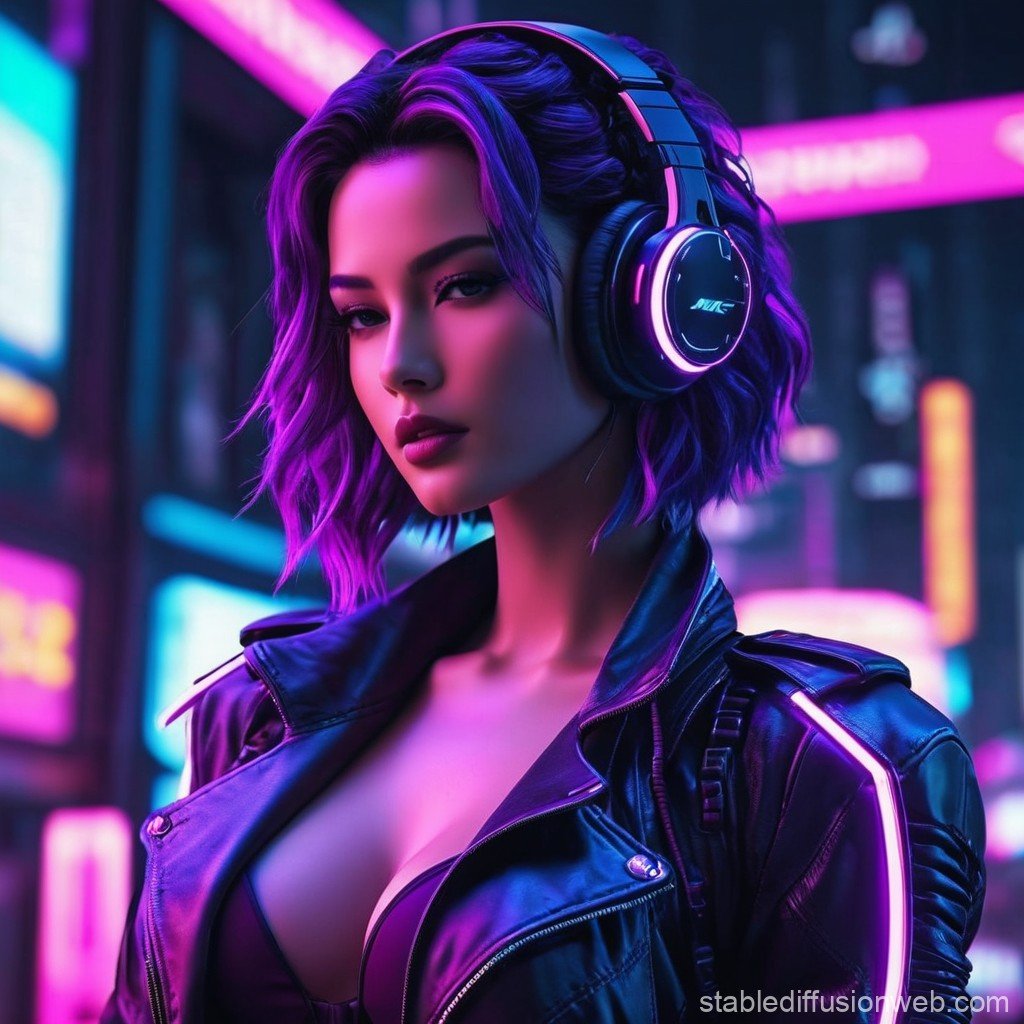
In the dynamic world of digital entertainment and animation, where imagination constantly pushes the boundaries of reality, a silent revolution is unfolding. The Future of AI in Digital Entertainment & Animation isn't just a buzzword; it's a profound shift, redefining how stories are conceived, crafted, and consumed. From automating painstaking tasks to generating hyper-realistic visuals and personalizing narratives on an unprecedented scale, Artificial Intelligence is rapidly becoming an indispensable co-creator, empowering artists and studios to achieve what was once considered impossible.
This isn't about robots replacing human creativity, but rather about a powerful partnership. AI is stepping in as an intelligent assistant, a tireless animator, and even a predictive analyst, streamlining workflows from the earliest brainstorming sessions to the final pixel of a blockbuster film. As we stand on the cusp of this new era, understanding AI's role—its vast potential and inherent challenges—is crucial for anyone shaping the future of digital storytelling.
At a Glance: AI's Impact on Entertainment & Animation
- Accelerates Creativity: AI tools fast-track concept art, script drafts, and animation tasks, freeing artists for higher-level creative input.
- Boosts Realism: Deep learning and procedural animation create lifelike movements, expressions, and environments, enhancing visual fidelity.
- Personalizes Experiences: AI-driven narratives can adapt to viewer choices, offering unique, interactive entertainment.
- Democratizes Production: Affordable AI tools enable independent creators to produce high-quality content on limited budgets.
- Raises Ethical Questions: Concerns around deepfake misuse, data bias, job displacement, and content ownership are pressing.
- Fosters Human-AI Collaboration: The future isn't AI or humans, but a powerful synergy between artistic vision and intelligent automation.
Defining the AI Revolution in Digital Storytelling
At its core, AI in entertainment leverages advanced technologies like machine learning, neural networks, and generative algorithms to automate, enhance, and even invent aspects of the creative process. Think of it as a sophisticated digital brain capable of learning from vast datasets of existing content—scripts, images, animations, voices—and then applying that knowledge to new tasks. This capability allows studios and artists to achieve levels of visual complexity and storytelling depth that were previously unattainable or prohibitively expensive.
The impact ripples across the entire production pipeline. From the initial spark of an idea to the final audience experience, AI simplifies workflows, reduces labor-intensive tasks, and opens doors to innovative forms of personalized storytelling. It’s a force multiplier, making production faster, more cost-effective, and visually stunning.
AI in Action: Transforming the Creative Pipeline
Let’s pull back the curtain and explore how AI is being woven into the fabric of digital entertainment and animation, transforming every stage of content creation.
Crafting Stories: From Idea to Script
Before a single frame is animated, a story must be told. AI is increasingly influencing the bedrock of storytelling: scriptwriting and plot development.
- Brainstorming & Idea Generation: Tools like ChatGPT and Jasper aren't just for churning out text; they can generate character arcs, dialogue, plot twists, and even entire screenplay outlines from simple prompts. This drastically cuts down the initial brainstorming phase, offering writers a diverse palette of ideas to refine and build upon. Imagine needing a scene where a rogue AI confronts its creator – an AI assistant could instantly offer several dialogue options or thematic directions.
- Predictive Analysis: Beyond generating content, AI can also predict its success. Platforms like Scriptbook analyze screenplays to forecast box-office potential, providing data-driven insights on audience reception and commercial viability. This helps studios make informed decisions about which projects to greenlight.
- Early Experiments: The short film "Sunspring" (2016) made headlines as one of the first films entirely written by an AI, demonstrating the technology's nascent ability to string together narrative concepts, however abstract. While raw AI-generated scripts often require significant human polishing, they serve as powerful starting points, challenging creators to think differently.
Visualizing Worlds: Concept Art & Storyboarding
Before animation begins, the visual style and narrative flow must be established. AI is proving revolutionary in pre-production.
- Concept Art & Style Exploration: Generative AI models such as DALL-E, MidJourney, and Stable Diffusion are transforming how concept artists work. By simply typing text prompts, artists can generate hundreds of unique visual styles, character designs, and environmental concepts in minutes. This allows for rapid iteration and exploration, helping teams quickly converge on a desired aesthetic. Netflix's "The Dog and the Boy" (2023) utilized AI for background generation and character design, showcasing how these tools can accelerate visual development.
- Automated Storyboarding: Creating storyboards is a labor-intensive process, outlining every shot and sequence. AI tools like Storyboarder can automate aspects of this, generating rough visual sequences from script inputs, helping directors and animators visualize the flow of a story more efficiently. This frees up human artists to focus on artistic nuance and critical storytelling beats rather than repetitive drawing tasks.
Bringing Characters to Life: Animation Techniques
This is where AI truly shines, bringing inanimate objects and characters to vibrant, lifelike existence.
- Procedural Animation: For complex scenes involving crowds or natural phenomena, AI-driven procedural animation can simulate individual movements based on a set of rules. Think of the massive wildebeest stampede in Disney's The Lion King remake; AI helped manage the individual movements of thousands of animals, creating a sense of organic chaos without manually animating each one.
- Deep Learning for Facial Animation: Capturing nuanced human emotions is incredibly challenging. Deep learning algorithms can analyze facial expressions from real actors and apply them to animated characters with remarkable fidelity, ensuring subtle smiles, frowns, and blinks are rendered with high realism. Disney’s work in Frozen 2 utilized similar technologies to enhance character expressions.
- Style Transfer & Generative Adversarial Networks (GANs): Imagine converting live-action footage into the distinct style of a famous painter, or making a realistic video look like a classic anime. GANs can achieve this "style transfer," allowing animators to experiment with unique visual aesthetics or bridge the gap between different artistic mediums. This opens up entirely new creative avenues for animators to explore and gives rise to content that blends realism with unique artistic interpretation.
Mastering the Magic: Post-Production & VFX
Once filming or primary animation is complete, AI continues to play a critical role in refining visuals and adding breathtaking special effects.
- Deepfake Technology: While controversial, deepfake technology has legitimate applications in entertainment, allowing for the seamless replacement of faces or voices. Director Martin Scorsese used it to de-age actors like Robert De Niro and Al Pacino in The Irishman, creating a consistent timeline for his characters without relying on traditional, often less convincing, makeup or CGI techniques.
- Automated VFX Tasks: Tools like Runway ML automate tedious post-production tasks, saving countless hours.
- Rotoscoping: Isolating specific elements frame-by-frame (e.g., separating an actor from a green screen) can be sped up significantly.
- Color Grading: AI can suggest optimal color palettes and adjustments, ensuring visual consistency and mood across scenes.
- Object Removal: Unwanted elements in a shot can be automatically identified and removed, cleaning up footage with surprising ease.
- Cost Savings & Realism: The combined impact of these AI tools can reduce VFX costs by 30-50%, while simultaneously elevating the realism and polish of computer-generated imagery. This means more ambitious visuals are becoming accessible to a wider range of productions.
The Voice of Tomorrow: Sound & Localization
AI's influence extends to audio, revolutionizing how voices are generated, replicated, and translated for global audiences.
- AI Voice Cloning & Synthesis: Imagine recreating the voice of a beloved character or an actor from historical recordings. Respeecher famously did this for Mark Hamill, allowing a younger Luke Skywalker to speak in The Mandalorian with his iconic voice. This technology ensures character continuity and can even bring deceased actors' voices back to life for specific roles, albeit with significant ethical considerations.
- Real-Time Localization & Dubbing: For international distribution, high-quality dubbing is paramount. AI platforms like Synthesia can translate dialogue and then synchronize lip movements to match the new language in real-time. This eliminates the often-awkward mismatch of traditional dubbing, providing a more immersive experience for global audiences and drastically reducing the time and cost associated with localization.
Digital Doubles & Virtual Stars: The New Talent Pool
The line between virtual and real performers is blurring, thanks to advanced AI and graphics.
- AI-Driven Avatars: Companies like Metaphysic have demonstrated incredibly realistic AI-driven avatars, such as their performances on America's Got Talent, showcasing what's possible when AI blends with digital rendering. These avatars can perform, react, and even interact in real-time.
- MetaHuman Creator: Epic Games' MetaHuman Creator allows artists to generate highly realistic digital humans with intricate detail, from skin pores to hair strands, in minutes. These digital actors can be fully rigged and animated, offering an endless supply of customizable performers for films, games, and virtual experiences.
- Ethical Debates on Ownership: The rise of virtual actors sparks critical discussions around intellectual property, likeness rights, and the ethical implications of using AI to create or replicate performers. Who owns the "performance" of an AI actor? These are complex questions the industry is only beginning to grapple with.
Navigating the New Frontier: Ethical & Creative Crossroads
As AI’s capabilities grow, so do the complexities and responsibilities. The future of AI in digital entertainment and animation isn't just about technological prowess; it's about navigating a challenging ethical landscape and preserving the essence of human creativity.
The Shadow Side: Misinformation & Bias
With great power comes great responsibility, and AI tools, particularly generative ones, carry significant risks.
- Deepfake Misuse: While deepfakes have cinematic applications, their potential for malicious use—generating non-consensual content, spreading misinformation, or impersonating individuals—is a profound concern. The industry must actively develop countermeasures and ethical guidelines to prevent abuse.
- Bias in Training Data: AI models learn from the data they're fed. If this data contains historical biases (e.g., underrepresentation of certain demographics, perpetuation of stereotypes), the AI-generated content will reflect and amplify those biases. Ensuring diverse and ethically sourced training data is crucial to prevent AI from homogenizing characters or reinforcing harmful tropes. This requires proactive curation and algorithmic scrutiny.
Jobs, Skills, and the Human Touch
The question on many minds is: Will AI replace human artists? While some roles may evolve, experts largely agree that AI is a tool for augmentation, not outright replacement.
- Job Displacement Concerns: Repetitive and highly automated tasks are most susceptible to AI takeovers. Animators performing rote in-betweening, for example, might find AI doing much of their previous workload. This naturally sparks anxiety about job security.
- Shifting Skillsets: Rather than eliminating jobs, AI is transforming them. Artists will need to adapt, becoming "AI whisperers" who can prompt, guide, and refine AI outputs. The focus will shift from laborious execution to high-level creative direction, problem-solving, and injecting unique artistic vision.
- The Irreplaceable Human Element: True creativity, emotional depth, nuanced storytelling, and the ability to connect with an audience on a profound level remain uniquely human domains. AI can assist, but the soul of a story, the spark of genius, and the emotional resonance still require human input.
The Homogenization Trap: Will AI Stifle Creativity?
There's a risk that over-reliance on AI could lead to a predictable, sterile, or even homogenized artistic style.
- Predictable Aesthetics: If AI primarily learns from existing popular content, it might tend to reproduce similar styles and narratives, potentially leading to a lack of originality and unexpected breakthroughs. The unique "fingerprint" of individual artists could be diluted.
- Reducing Emotional Depth: While AI can mimic emotions, its ability to truly understand and convey complex human experiences, subtleties, and ambiguities is limited. Over-dependence on AI for storytelling could strip content of its raw, authentic emotional core, making it less impactful.
- Maintaining Artistic Integrity: The challenge for creators will be to leverage AI's efficiency without sacrificing their unique artistic voice or allowing the technology to dictate creative direction. It’s about using AI as a paintbrush, not letting the paintbrush paint the picture by itself.
Beyond the Horizon: What's Next for AI in Entertainment
The current advancements are just the beginning. The future holds even more transformative possibilities, promising more immersive, personalized, and efficient entertainment experiences.
Real-Time Creativity & Collaborative Worlds
The latency between creative input and visual output is rapidly shrinking.
- Real-Time AI Rendering: Platforms like NVIDIA Omniverse are enabling truly collaborative 3D workflows where artists can work together on scenes in real-time, regardless of their location. Coupled with tools like Unreal Engine's MetaHuman, this allows for instantaneous character creation and animation, making iterative design cycles incredibly fast. Imagine making a change to a character's expression and seeing it rendered in a fully lit environment instantly.
- Virtual Production & Live Performance: AI will increasingly integrate with virtual production stages, enabling actors to perform in digital environments that respond dynamically in real-time. This can create more immersive on-set experiences and allow for rapid adjustments during filming.
The Personalized Story: Interactive Narratives
Prepare for entertainment that truly understands and adapts to you.
- AI-Driven Branching Narratives: The era of truly interactive films and shows, where viewer choices profoundly influence the plot, is on the horizon. Netflix’s Black Mirror: Bandersnatch was an early, manual foray, but AI will make such complex branching stories scalable and seamless, adapting character reactions and plot points based on individual viewer decisions.
- Hyper-Personalization: Imagine a show that subtly adjusts its tone, pacing, or even minor plot elements based on your viewing history, demographic, or even current mood (potentially inferred through biometric data, raising further privacy concerns). This could lead to an unprecedented level of personalized content designed to maximize engagement for each viewer.
Democratizing Creation: Indie Power
AI is not just for big studios; it's leveling the playing field for independent creators.
- Accessible Tools: The proliferation of user-friendly, low-cost AI tools (like Pika Labs for AI animation generation) means that independent animators, filmmakers, and game developers can access capabilities once reserved for large budgets. This empowers individual artists to produce professional-quality content, fostering a diverse ecosystem of unique stories and styles. For creators looking to push the boundaries of digital expression, you might even access our free AI twerk generator for experimental animations and character movements, showcasing AI's diverse generative capabilities. This accessibility can unleash a new wave of creativity, unconstrained by traditional production costs.
- Niche Content Creation: With lower barriers to entry, creators can focus on niche audiences and specialized content, leading to a richer and more varied landscape of digital entertainment.
Greener Screens: AI for Sustainability
Beyond creativity and efficiency, AI can also contribute to a more sustainable production process.
- Optimized Rendering: The massive computational power required for rendering animation and VFX consumes significant energy. AI can optimize rendering processes, identifying inefficiencies and reducing the overall computational footprint, thereby lowering the carbon emissions associated with digital content production. This aligns with broader industry efforts towards environmental responsibility.
Embracing the AI Era: A Call for Human-Machine Collaboration
The future of digital entertainment and animation isn't about AI taking over; it's about a symbiotic relationship between human artistry and intelligent machines. AI is an incredibly powerful tool, an extension of the artist's hand, capable of executing complex tasks with speed and precision, allowing humans to focus on the higher-level creative vision, emotional depth, and unique storytelling that only they can provide.
For professionals in the industry, the call to action is clear: embrace learning, adapt skillsets, and actively participate in shaping the ethical frameworks for these powerful technologies. Experiment with AI tools, understand their limitations, and—most importantly—learn how to direct them. The goal is not just to produce more content, but to create better, more engaging, and more meaningful stories that resonate with audiences on a deeper level.
The true magic will emerge when human ingenuity, fueled by passion and vision, collaborates seamlessly with the limitless capabilities of artificial intelligence. Together, they will not just entertain; they will redefine the very act of storytelling itself.